.svg)

Restore Your Lawn to Its Full Potential
Whether your lawn has bare patches, thin turf, or storm-damaged areas, our professional slice seeding and overseeding services bring it back to life with the highest quality grass seed available.
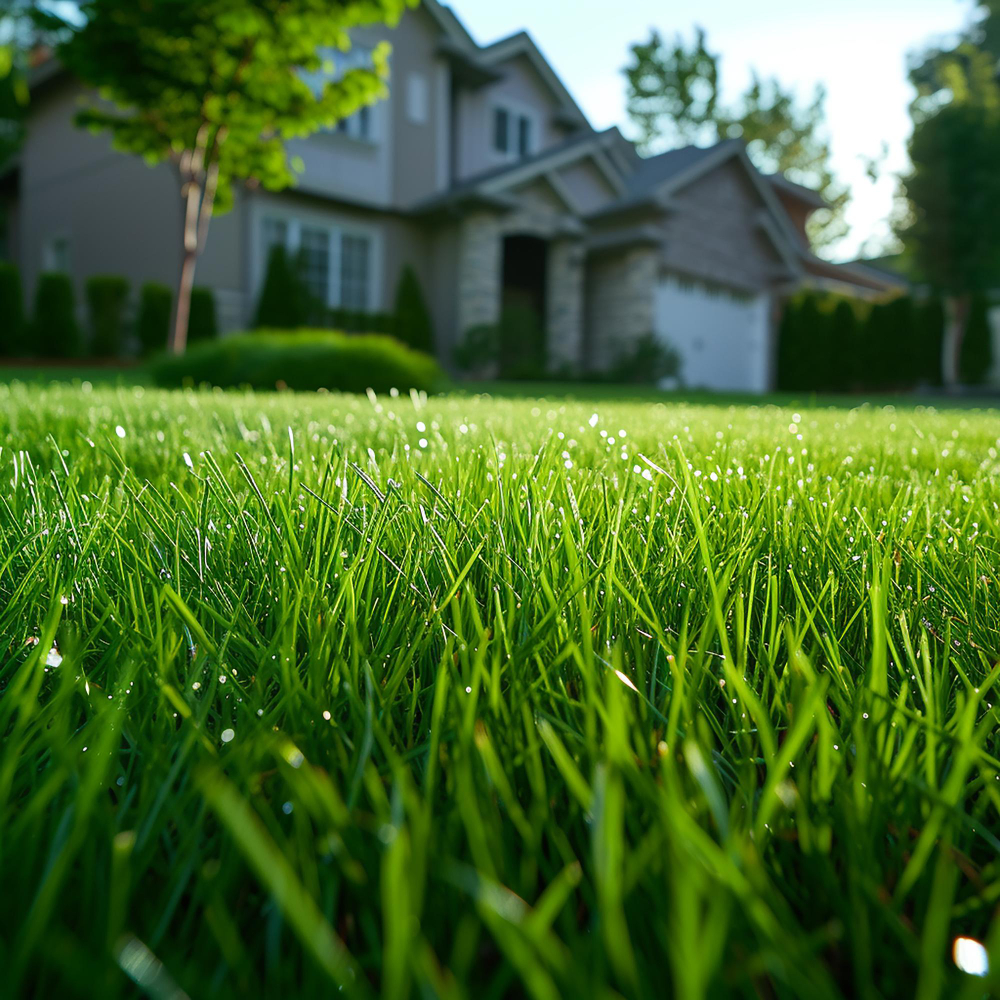
The Most Effective Way to Repair Your Lawn
Lawns can develop bare patches or thin turf for many reasons, drought, thatch build-up, disease, or insect damage. When lawn renovation is needed, slice seeding is the most effective solution available.This service is best done in fall (September through early November).
Our slit seeding machine uses slicing blades that cut through the thatch and open a slit ¼-inch into the soil. The hopper then drops the seed directly into these slits — ensuring maximum germination by placing seed where it belongs: in the soil, not on top of it.
- Cultivates soil for optimal seed contact
- Ensures seed-to-soil contact for maximum germination
- Highest quality grass seed available
- Dramatically more effective than broadcast spreading
- Ideal after drought, damage, or heavy thatch
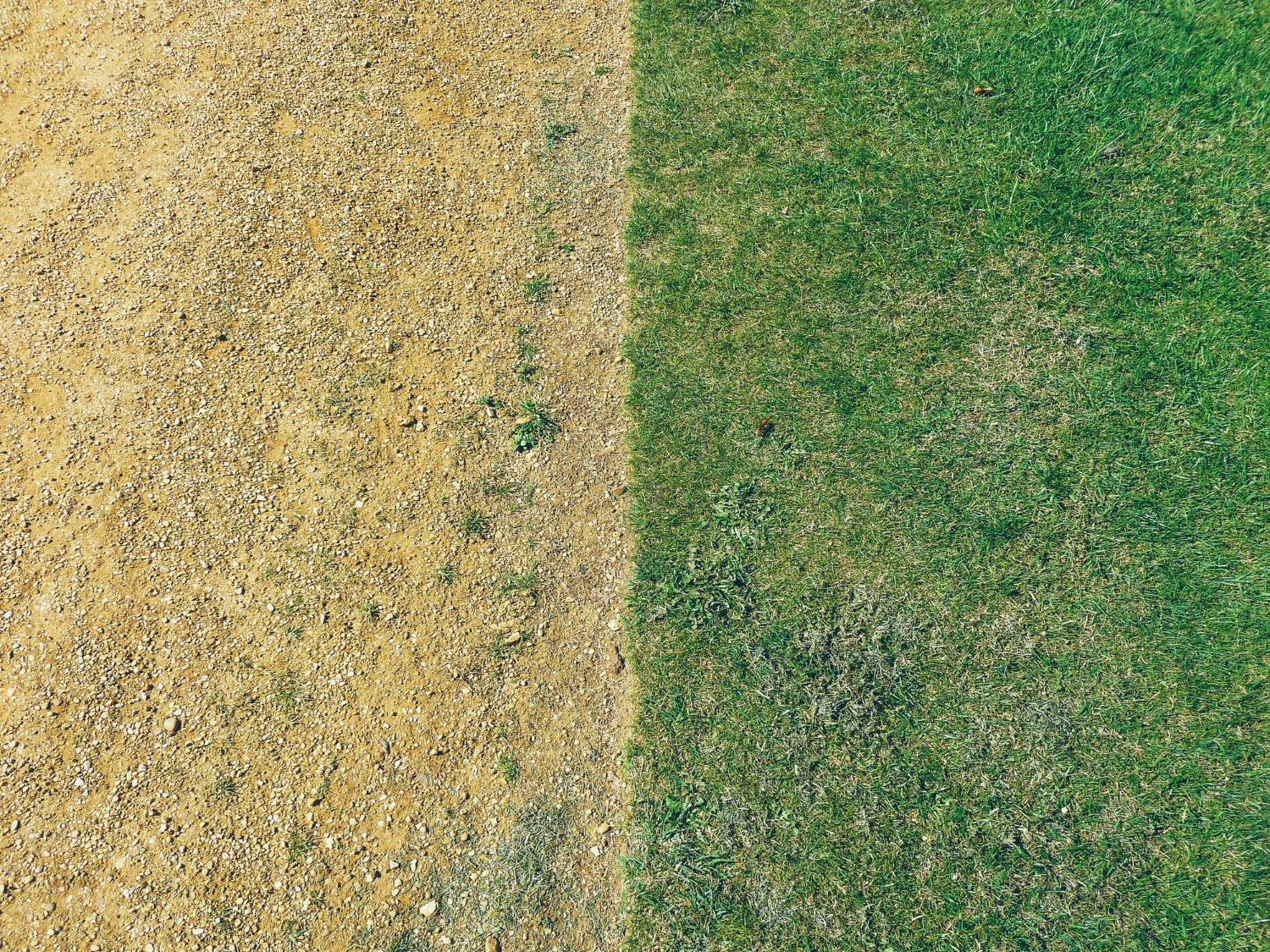

For Established Lawns
Overseeding improves your turf density and incorporates more desirable grass types to better withstand disease, stress, and insects. This process is greatly enhanced when performed alongside core aeration.

Improved Turf Density
Fills in thin, sparse areas by introducing new grass plants that thicken the turf canopy, leaving fewer gaps for weeds to establish.
.svg)
Disease & Stress Resistance
Modern grass varieties are bred for improved resistance to disease, drought, insects, and heat. Overseeding with premium seed upgrades your lawn's genetics.

Enhanced by Aeration
When combined with core aeration, overseeding becomes significantly more effective, seed falls into the aeration holes for direct soil contact and superior germination rates.
Aerate First, Then Seed for Best Results
GreenWorks recommends combining core aeration with overseeding for the best possible results. The open holes created by aeration provide the ideal environment for new grass seed to germinate quickly and deeply.
Your lawn is in good hands from day one.
Call or request a free in-person estimate. Our experts can answer any questions you have about your lawn and our services.
We personally inspect your property and provide a customized, on-site estimate, not a guess from an online map.
Relax while we do the work. After each visit your technician leaves personalized notes so you always know what to expect.
Customer Testimonials

Have questions?
Lawns in Rhode Island and Massachusetts are comprised of mostly Kentucky blue grass, perennial rye and fescue, so your lawn should be mowed at a height of 3”.
.svg)
Mowing at 3" helps the lawn retain moisture and defend against weed infestations. Also, root depth is directly related the grass blade height – the longer the grass the deeper the roots.
How often you mow is dependant on the time of year. In the spring and fall you will be mowing more often, summer time less. You should try to mow at least once a week removing only 1/3 of the blade of grass. If you find you are removing more than 1/3, you may need to mow more often.
No, as long as you are removing only 1/3 of the grass blade you do not need to bag. If, out of necessity, you need to remove more than 1/3 you should bag as heave clippings will suffocate the lawn.
Your lawn should receive 1.5" – 2” of water per week, this includes rainfall. Generally, watering every other day or every third day for 20 – 30 minutes per section/zone should suffice. Remember, deep infrequent waterings are preferable to light frequent waterings.
In the morning, after 6am, is usually the best time to water as the sun will be coming up to dry the grass blades and there is usually less wind at this time. Watering at night is not recommended.
Always follow your local watering restrictions. If during the summer your lawn suffers from drought stress, the GreenWorks program will help it recover.
Proper mowing and watering are key to preventing disease problems. Regular mowing with a sharp blade and watering after 6am will cut down on problems dramatically. A dull lawn mower blade will shred the grass blade allowing disease spores to enter the plant. A dull blade also causes rapid dehydration of the grass. If you are watering at night the water sits on the grass blades providing the perfect environment for diseases. Pruning back trees to allow more air circulation will help as well. Sometimes due to humidity or other environmental factors, nothing will get rid of disease problems.
Our Locations
GreenWorks proudly serves all communities across Rhode Island and Southeastern Massachusetts with balanced, eco-friendly lawn care treatments, fertilizers, and aeration.