.svg)

Crabgrass in Your Lawn: When It Starts, How to Prevent It & What To Do If It’s Already Taking Over
Crabgrass in Your Lawn: When It Starts, How to Prevent It & What To Do If It’s Already Taking Over
Few lawn weeds frustrate homeowners more than crabgrass.
It spreads fast, thrives during summer heat, crowds out healthy turf, and can quickly turn a beautiful lawn into a patchy, uneven mess if left untreated.
The good news is that understanding the crabgrass life cycle is one of the best ways to successfully prevent and control it.
At GreenWorks Lawn Care, we help homeowners stay ahead of crabgrass with proactive weed control programs designed to protect lawns before major infestations begin.
What Is Crabgrass?
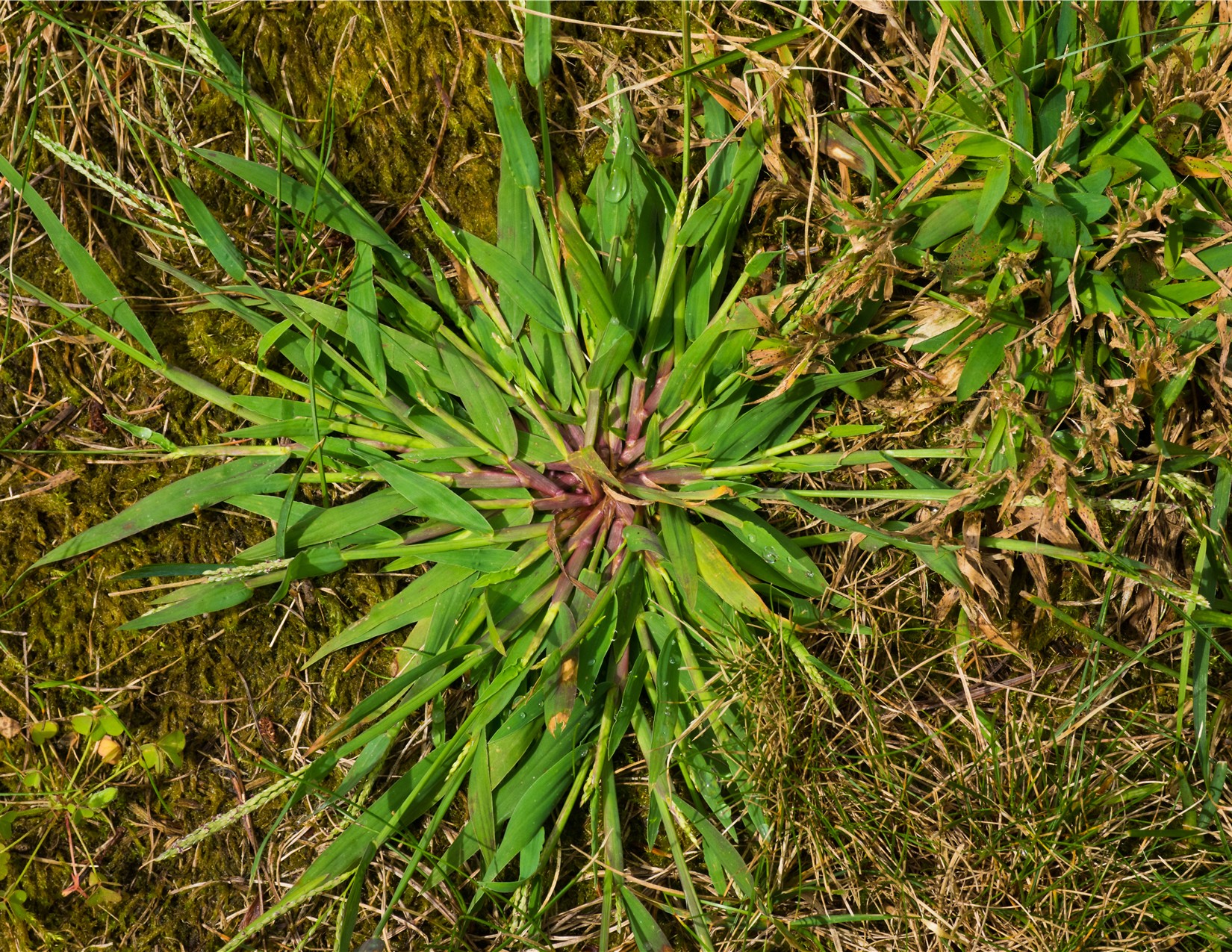
Crabgrass is an annual grassy weed that thrives during warm weather conditions. Unlike healthy turfgrass that grows in thick, organized patterns, crabgrass spreads outward in wide, low-growing clumps that quickly take over weak or thin lawn areas.
Crabgrass is especially aggressive during:
- Hot summer temperatures
- Drought conditions
- Thin or stressed lawns
- Bare soil areas
- Lawns with poor turf density
Because it grows rapidly and produces thousands of seeds, even a small crabgrass problem can become much worse the following season if not properly managed.
When Does Crabgrass Start Growing?
Crabgrass begins germinating in spring once soil temperatures consistently reach around 55°F for several consecutive days.
In many areas, this typically occurs:
- Early to mid spring
- Before sustained summer heat arrives
- Around the same time lawns begin actively greening up
One of the biggest mistakes homeowners make is waiting until crabgrass becomes visible before treating it.
By the time you actually see crabgrass growing, prevention timing has often already passed.
Understanding the Crabgrass Life Cycle
Crabgrass follows a very predictable seasonal life cycle:
Spring: Germination Begins
As soil temperatures warm, dormant crabgrass seeds from previous seasons begin germinating beneath the soil surface.
Late Spring & Summer: Rapid Growth
Once temperatures increase, crabgrass grows aggressively throughout the lawn — especially during hot, dry weather conditions when healthy turf may become stressed.
This is when homeowners usually notice:
- Thick grassy clumps
- Bright green patches
- Fast-spreading weed growth
- Crabgrass along sidewalks, driveways, and thin turf areas
Late Summer & Fall: Seed Production
As summer progresses, crabgrass begins producing thousands of new seeds that drop into the soil and remain dormant until the following spring.
This is why untreated crabgrass problems often return worse year after year.
First Frost: Crabgrass Dies Off
Crabgrass is an annual weed, meaning it naturally dies after the first hard frost in fall.
However, while the visible plant dies, the seeds it leaves behind remain in the soil — ready to restart the cycle next spring.
Why Crabgrass Thrives in Weak Lawns
Healthy, dense turfgrass is one of the best natural defenses against crabgrass.
Crabgrass commonly invades lawns that are:
- Thin or patchy
- Drought-stressed
- Cut too short
- Poorly fertilized
- Compacted
- Overwatered or underwatered
Bare spots and weakened turf create open areas where crabgrass seeds can easily germinate and spread.
The Best Way to Prevent Crabgrass
The most effective crabgrass control strategy is prevention.
Pre-Emergent Crabgrass Control
Pre-emergent weed control treatments create a protective barrier in the soil that helps prevent crabgrass seeds from successfully germinating.
Timing is critical.
Pre-emergent applications must typically be applied:
- Before soil temperatures fully warm
- Before crabgrass begins actively growing
- Early enough in spring to interrupt germination
Once crabgrass emerges above the surface, pre-emergent control is no longer effective on existing plants.
What Happens If It’s Too Late?
Many homeowners ask:
“What if I already have crabgrass?”
The good news is that even if crabgrass has already emerged, there are still treatment options available.
Post-Emergent Crabgrass Treatments
Post-emergent weed control treatments target actively growing crabgrass after it appears in the lawn.
However, mature crabgrass becomes much harder to control than newly germinated plants.
Larger infestations may require:
- Multiple treatments
- Seasonal lawn repair
- Overseeding
- Improved lawn health practices
This is why early prevention is always easier and more effective than reactive treatment later in summer.
Proper Lawn Care Helps Prevent Crabgrass
In addition to weed control treatments, maintaining healthy turfgrass is one of the best long-term defenses against crabgrass.
Proper Mowing Height
Cutting grass too short weakens turf and exposes soil to more sunlight, creating ideal crabgrass germination conditions.
Keeping lawns slightly taller during summer helps:
- Shade the soil
- Reduce weed germination
- Improve root depth
- Support stronger turf density
Proper Watering
Deep, consistent watering encourages healthy root growth and stronger drought resistance.
Fertilization
Healthy turf naturally crowds out weeds by creating thicker lawn coverage.
Aeration & Soil Health
Reducing compaction improves turf growth while minimizing open areas where crabgrass can establish.
Why Crabgrass Seems Worse During Summer
Crabgrass thrives during heat and drought because many cool-season lawns begin slowing down during extreme summer stress.
As healthy turf weakens:
- Thin areas develop
- Soil temperatures rise
- Bare spots appear
- Crabgrass spreads rapidly
This is why summer crabgrass outbreaks are so common during hot weather periods.
Can Crabgrass Completely Go Away?
Crabgrass can absolutely be controlled, but long-term management requires consistency.
Because seeds remain dormant in the soil, preventing future outbreaks usually involves:
- Annual pre-emergent treatments
- Healthy lawn maintenance
- Proper mowing and irrigation
- Seasonal weed control programs
The healthier and thicker your lawn becomes, the harder it is for crabgrass to return.
Professional Crabgrass Control With GreenWorks Lawn Care
At GreenWorks Lawn Care, we provide professional crabgrass prevention and weed control services designed to help homeowners maintain healthier, thicker lawns throughout the growing season.
Our lawn care programs help:
- Prevent crabgrass germination
- Reduce existing weed pressure
- Strengthen turf density
- Improve lawn health
- Protect against seasonal lawn stress
Whether you’re trying to prevent crabgrass before it starts or manage an active infestation, proactive lawn care can make a major difference in long-term results.
Protect Your Lawn Before Crabgrass Spreads Further
Crabgrass spreads quickly once summer heat arrives.
If your lawn is already showing signs of:
- Thick grassy clumps
- Patchy turf
- Fast-growing weeds
- Thin lawn areas
- Summer lawn stress
now is the ideal time to take action before infestations worsen further.
Looking for professional crabgrass control and lawn care services?
Contact GreenWorks Lawn Care today to learn more about protecting your lawn from crabgrass and seasonal weed pressure.